Bridging Digital Divide: Cryptocurrency Token Development Explained
Cryptocurrency Token Development

I am a proficient front-end developer, offering expert insights and hands-on advice on front-end development through my informative blog. Explore the coding universe with my in-depth guides and keep pace with the latest industry advancements. Elevate your front-end skills with my valuable content and unlock your potential in web development.
In our rapidly advancing digital age, the concept of cryptocurrency has emerged as a powerful tool for bridging the digital divide. This article delves into the intricacies of cryptocurrency token development, demystifying the process behind these digital assets. As society becomes increasingly reliant on digital platforms, understanding the role of cryptocurrency tokens is paramount. These tokens, built on blockchain technology, facilitate secure and decentralized transactions, providing financial inclusion to populations previously excluded from traditional banking systems.
Exploring the fundamentals of cryptocurrency token development will shed light on how this innovative technology can empower individuals globally, fostering financial accessibility and inclusivity. Join us on a journey to unravel the complexities of cryptocurrency tokens, ultimately contributing to a more connected and equitable digital future.
What is Cryptocurrency Token Development?
Cryptocurrency token development involves creating digital assets on blockchain technology. These tokens represent value and can be used for various purposes, from facilitating secure transactions to enabling decentralized applications. The process includes defining token specifications, smart contract creation, and deployment on a blockchain. Token development plays a pivotal role in fostering financial inclusion, as it provides a decentralized means of financial interaction, promoting accessibility for individuals excluded from traditional banking systems. This innovative technology not only enhances financial inclusivity but also contributes to a more connected, efficient, and transparent global financial ecosystem.
Types of Cryptocurrency Tokens
Cryptocurrency tokens are a form of digital asset created and managed on a blockchain. They represent a wide range of assets and can serve various purposes within blockchain ecosystems. Here are some common types of cryptocurrency tokens:
Utility Tokens:
Purpose: These tokens provide access to a specific product or service within a blockchain ecosystem. They are often used as a form of payment for using a decentralized application (DApp) or accessing certain features.
Example: Ethereum's Ether (ETH) is a utility token that fuels transactions on the Ethereum network.
Security Tokens:
Purpose: Security tokens represent ownership in an external, tradable asset, and their value is tied to the performance of that asset. They are subject to securities regulations.
Example: Tokenized real estate or company shares issued on a blockchain.
Stablecoins:
Purpose: Designed to minimize price volatility, stablecoins are pegged to the value of a fiat currency (like USD) or a commodity. This stability makes them suitable for everyday transactions.
Example: Tether (USDT), USD Coin (USDC), or DAI.
Non-Fungible Tokens (NFTs):
Purpose: NFTs represent unique, indivisible assets, often used to tokenize digital or physical art, collectables, and in-game items.
Example: CryptoKitties (digital collectables) or NBA Top Shot (NFTs representing basketball highlights).
Governance Tokens:
Purpose: Holders of governance tokens have the right to vote on decisions related to the development and operation of a blockchain network. They often play a role in decentralized governance.
Example: Maker (MKR) token on the MakerDAO platform.
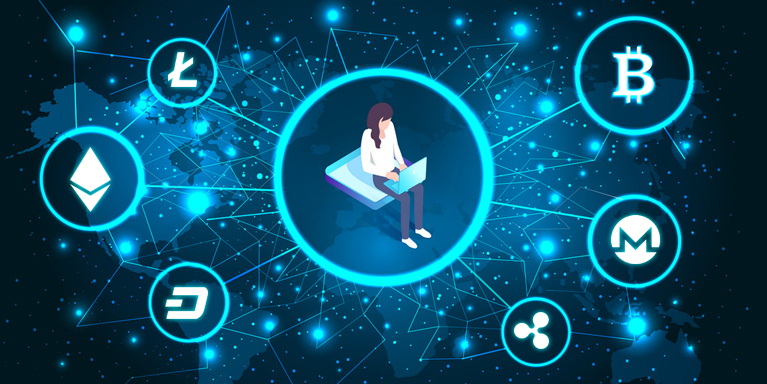
Importance of Token Development
Token development plays a crucial role in the broader landscape of blockchain technology and the cryptocurrency ecosystem. Here are some key aspects highlighting the importance of token development:
Decentralized Economy:
- Token development facilitates the creation of decentralized economies by enabling the representation and transfer of value on blockchain networks. This decentralization reduces reliance on traditional financial intermediaries and fosters financial inclusion.
Blockchain Functionality:
- Tokens serve as the lifeblood of many blockchain platforms, providing the means for participants to transact, interact with smart contracts, and contribute to the overall functioning of decentralized applications (DApps).
Crowdfunding and Capital Formation:
- Initial Coin Offerings (ICOs) and Token Sales allow projects to raise capital by issuing tokens. This crowdfunding model provides a new way for startups and projects to secure funding directly from a global audience, democratizing access to investment opportunities.
Incentive Mechanisms:
- Tokens are often used to incentivize specific behaviours within a network. For example, participants in a blockchain ecosystem may receive tokens as rewards for validating transactions (proof-of-stake), contributing computing power (proof-of-work), or participating in governance decisions.
Smart Contracts Execution:
- Tokens are integral to the execution of smart contracts. Smart contracts are self-executing contracts with the terms of the agreement directly written into code. Tokens can represent assets and value within these contracts, automating and streamlining various processes.
Interoperability:
- Tokens can be designed to be interoperable across different blockchain networks. This interoperability enables the seamless transfer of value and assets between diverse blockchain ecosystems, fostering collaboration and expanding the overall utility of tokens.
Digital Ownership and Identity:
- Non-fungible tokens (NFTs) enable the representation of unique digital assets, proving ownership and authenticity. This has applications in digital art, collectables, and even establishing digital identity on decentralized platforms.
Community Engagement:
- Tokens can be used to engage and incentivize communities. Projects often distribute tokens to users, developers, and other stakeholders, creating a sense of ownership and alignment of interests among community members.
Steps in Token Development
Token development involves several steps, from conceptualization to deployment on a blockchain. Here is an overview of the typical steps in the token development process:
Define Purpose and Use Case:
- Clearly define the purpose of the token and its intended use case. Understand whether the token will be used for payments, access to services, voting, or other functionalities.
Choose a Blockchain Platform:
- Select a suitable blockchain platform that aligns with the goals of the project. Ethereum is a popular choice for token development, but other platforms like Binance Smart Chain, Solana, or Polkadot may be considered based on specific requirements.
Select Token Standards:
- Choose the appropriate token standards based on the functionalities required. For example, ERC-20 is a standard for fungible tokens, while ERC-721 is used for non-fungible tokens (NFTs). Standards define the rules and interfaces the token must adhere to.
Tokenomics and Distribution:
- Define the tokenomics, including total supply, distribution mechanism, and any token burning or staking mechanisms. Plan how tokens will be distributed among founders, investors, the community, and other stakeholders.
Smart Contract Development:
- Write the smart contracts that govern the behaviour of the token. This includes coding the functions for token creation, transfer, and any additional features like staking or governance. Solidity is a popular language for Ethereum smart contracts.
Audit the Smart Contracts:
- Conduct a thorough audit of the smart contracts by engaging with professional auditing firms. This helps identify and fix vulnerabilities, ensuring the security and integrity of the token.
Create a User Interface (UI):
- Develop a user-friendly interface if necessary, especially for projects with a front-end component. This may include a website or application through which users can interact with the token.
Token Deployment:
- Deploy the smart contracts on the chosen blockchain. This involves initiating the token's existence on the blockchain and making it accessible for users to interact with.
Testing:
- Conduct rigorous testing of the token and its smart contracts to ensure they function as intended. This includes unit testing, integration testing, and testing under various scenarios to identify and resolve any issues.
Launch and Distribution:
- Launch the token and distribute it according to the defined distribution plan. This may involve an initial coin offering (ICO), airdrops, or other distribution mechanisms.
Community Engagement:
- Actively engage with the community to build awareness and support for the token. This includes marketing, community management, and addressing any concerns or questions from users.
Governance Setup (if applicable):
- If the token involves decentralized governance, set up the necessary structures and mechanisms for token holders to participate in decision-making processes.
Monitor and Update:
- Continuously monitor the token's performance and community feedback. Regularly update the smart contracts if needed, addressing any bugs or adding new features based on the evolving needs of the project.
Compliance:
- Ensure compliance with relevant regulations, especially if the token is considered a security. This may involve legal consultation to navigate regulatory requirements.
By following these steps, a project can successfully develop, deploy, and manage a token on a blockchain network. It's crucial to approach each step with careful consideration and attention to detail to ensure the success and security of the token.
Challenges in Cryptocurrency Token Development
Cryptocurrency token development faces challenges such as security vulnerabilities in smart contracts, potential regulatory uncertainties, ensuring a fair and transparent token distribution, and the need for thorough auditing. Issues like scalability, interoperability, and user adoption also pose obstacles. Striking a balance between innovation and compliance while navigating evolving legal landscapes is crucial. Additionally, community trust and engagement must be cultivated amidst market volatility and competition, highlighting the multifaceted challenges inherent in creating and sustaining successful cryptocurrency tokens.
Conclusion
In conclusion, cryptocurrency token development stands as a beacon for bridging the digital divide, offering a transformative solution to financial inclusion. As explored in this discussion, the decentralized nature of blockchain technology, coupled with the creation of secure and accessible tokens, holds the potential to empower individuals worldwide. By demystifying the complexities of cryptocurrency token development, we pave the way for a more inclusive digital landscape. As we navigate the evolving realms of technology, it is clear that understanding and embracing these innovations can break down barriers, ensuring that the benefits of the digital revolution reach all corners of society, fostering a more equitable and interconnected global future.


